
Creating a Property Brand That Stands Out
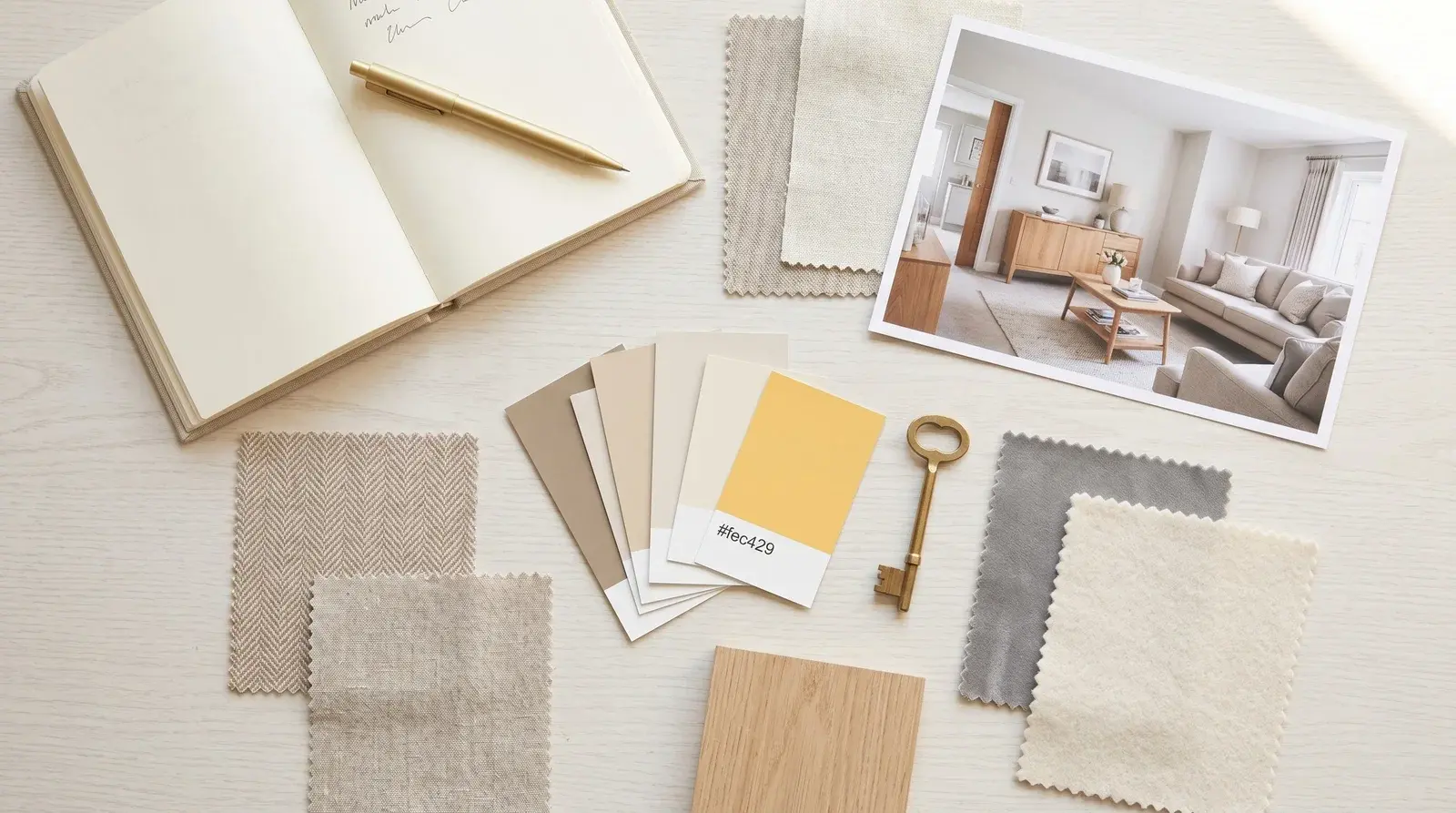
“A strong brand isn't just a logo, it's the promise you make and keep with every guest, landlord and investor you work with.”- Roxie Andrew
A property brand is the consistent name, look, voice and promise that makes your business recognisable across every guest, landlord and investor touchpoint. Done well, it lets you stand out from generic listings, build trust before the first message, and command better prices.
Why Does Branding Matter in Property?
Scroll through Airbnb and you'll see thousands of "Lovely 2-bed apartment" listings. They blur together. Guests can't remember one from another. Prices race to the bottom.
A strong brand breaks this pattern. It makes you memorable, builds trust before the first message, and justifies premium pricing. It turns one-time guests into loyal repeat bookers.
Your brand does not only speak to guests. Landlords deciding whether to hand you their property, and investors weighing up a deal, both judge you on how professional and consistent you look. A clear brand reassures all three audiences at once.
What Makes a Property Brand?
Your brand is more than a logo. It's:
- Name: What you're called
- Visual identity: Logo, colours, photography style
- Voice: How you communicate
- Promise: What guests can expect
- Experience: How stays actually feel
- Consistency: The same quality every time
What Should You Call Your Property Brand?
Your name is the foundation of everything else, so it pays to get it right before you commit. We have a full walkthrough on picking a name and locking down the matching domain, so rather than repeat it here, see our guide to choosing a business and domain name. Once your name is settled, come back and build the visual identity around it.
Visual Identity
Logo Design
Your logo should be:
- Simple: Works at small sizes
- Versatile: Works on light and dark backgrounds
- Memorable: Distinctive but not gimmicky
- Professional: Builds trust
Budget options:
- Canva: Free templates, good for basics
- 99designs: Crowdsourced designs from £200
- Fiverr: Budget designers from £50
- Local designer: Bespoke from £300-1000
Colour Palette
Choose 2-3 colours that reflect your brand personality:
- Luxury: Black, gold, deep blues
- Modern: Clean whites, greys, accent colour
- Warm/Cosy: Earthy tones, warm neutrals
- Fresh/Coastal: Blues, whites, sandy tones
Use these consistently across:
- Website
- Social media
- Guest communications
- Welcome materials
- Signage
Photography Style
Consistent photography is crucial for brand recognition:
- Same editing style across all properties
- Similar angles and compositions
- Consistent lighting (bright and airy vs moody and dramatic)
- Branded elements visible (matching cushions, welcome cards)
What Should Your Brand Sound Like?
Define Your Tone
How do you want to sound?
- Professional: Formal, reliable, corporate
- Friendly: Warm, approachable, personal
- Luxurious: Refined, exclusive, premium
- Fun: Playful, energetic, casual
Key Messages
What do you want guests to know?
- Your unique selling proposition
- What makes you different
- The experience you deliver
- Your values and approach
Consistency in Communication
Use the same voice across:
- Listing descriptions
- Guest messages
- Email communications
- Social media posts
- Website copy
How Do You Position Your Brand?
Find Your Niche
Don't try to be everything to everyone:
- Business travellers: Fast WiFi, desk space, weekly rates
- Families: Space, safety features, local activities
- Couples: Romance, luxury touches, experiences
- Groups: Party-friendly (or not), large spaces
- Long stays: Home comforts, monthly rates
If you run rent-to-rent or take on managed lets, your landlords and investors are an audience too. They want to see reliability, clear systems and proof you protect their asset. A rent-to-rent brand often needs two faces: a polished guest-facing identity, and a credible, business-like landlord-facing one. The same applies if you run HMO rooms, where tenants and investors both judge the brand.
Differentiation
What makes you different from competitors?
- Location advantage
- Design and aesthetic
- Service level
- Local expertise
- Specific amenities
- Price point
- Unique properties
Pick 2-3 things and own them completely.
The Guest Experience

Your brand promise must match reality.
Touchpoints to Brand
- Booking confirmation: Branded email with your personality
- Pre-arrival: Local guide with your recommendations
- Check-in: Welcome card or message in your voice
- During stay: Branded amenities, consistent quality
- Check-out: Thank you message, feedback request
- Post-stay: Follow-up, review request, return offer
Branded Amenities
Small touches that reinforce your brand:
- Welcome cards with your logo
- Custom labels on toiletries
- Branded house manual
- Consistent soft furnishings style
- Signature scent
- Local welcome treats (same across properties)
How Do You Build Brand Recognition?
Online Presence
- Professional website showcasing your brand
- Consistent social media presence
- Google Business Profile with branded photos
- Listing descriptions that reflect your voice
Your own website is where your brand has the most room to breathe, away from the templated look of the listing platforms. If you run serviced accommodation, our serviced accommodation website builder is built to carry your colours, voice and photography out of the box.
Offline Touchpoints
- Signage at properties
- Business cards for referrals
- Printed materials in properties
- Landlord presentation materials
Guest-Generated Content
- Encourage branded photos from guests
- Create Instagram-worthy spots in properties
- Share user content on your channels
- Build a community around your brand
Brand Guidelines Document
Create a simple guide covering:
- Logo usage (sizes, spacing, colours)
- Colour codes (hex, RGB for digital)
- Font choices
- Photography style
- Voice and tone examples
- Do's and don'ts
This ensures consistency as you grow and add team members.
Common Branding Mistakes
- Copying competitors: Stand out, don't blend in
- Inconsistency: Different looks across platforms
- Over-complicating: Simple brands are memorable
- Ignoring your market: Luxury branding for budget properties
- All style, no substance: Brand must match experience
- Changing too often: Building recognition takes time
How Do You Get Started?
Week 1: Foundation
- Define your target guest
- List your differentiators
- Research competitor brands
- Brainstorm name options
- Check domain availability
Week 2: Visual Identity
- Finalise your name
- Choose colour palette
- Get a logo designed
- Define your photography style
Week 3: Implementation
- Update listings with new branding
- Create branded templates
- Set up social media profiles
- Update website or get one built
Week 4: Experience
- Order branded materials
- Create welcome pack
- Update guest communications
- Train any team members
Conclusion
A strong brand isn't built overnight, but even small steps make a difference. Start with your name and visual identity, then gradually extend your brand across every guest touchpoint.
The goal is recognition and trust. When guests, landlords or investors see your brand, they should know exactly what to expect, and look forward to working with you.
In a market full of generic listings, a memorable brand is your competitive advantage.
Frequently Asked Questions
How much should a logo cost?
It depends on how bespoke you want it. A Canva template or a Fiverr designer can cost from £50, a crowdsourced platform from around £200, and a local designer building something fully bespoke from £300 to £1,000. For most property operators starting out, a clean, simple logo at the lower end is plenty, you can invest more once the business is established.
Do I need a brand before a website?
You need the basics first: a name, a colour palette and a logo, so your website can be built around them. You do not need a full brand guidelines document on day one. Settle your name and visual identity, then let the website apply them consistently.
Does my brand only need to appeal to guests?
No. Guests matter, but in serviced accommodation, rent-to-rent and HMO your brand also speaks to landlords and investors deciding whether to trust you with their property. A professional, consistent brand reassures all three audiences.
How long does it take to build brand recognition?
Recognition builds over months, not days, so consistency matters more than speed. Use the same name, colours and voice everywhere and resist the urge to keep changing things. The compound effect of staying consistent is what makes a brand stick.
Put your brand everywhere it counts
Once you have your name, colours and voice, the hard part is applying them consistently online. Brick builds you a property website that carries your brand out of the box, ready in minutes rather than weeks.