
Local SEO for Property: How to Rank in Your Area
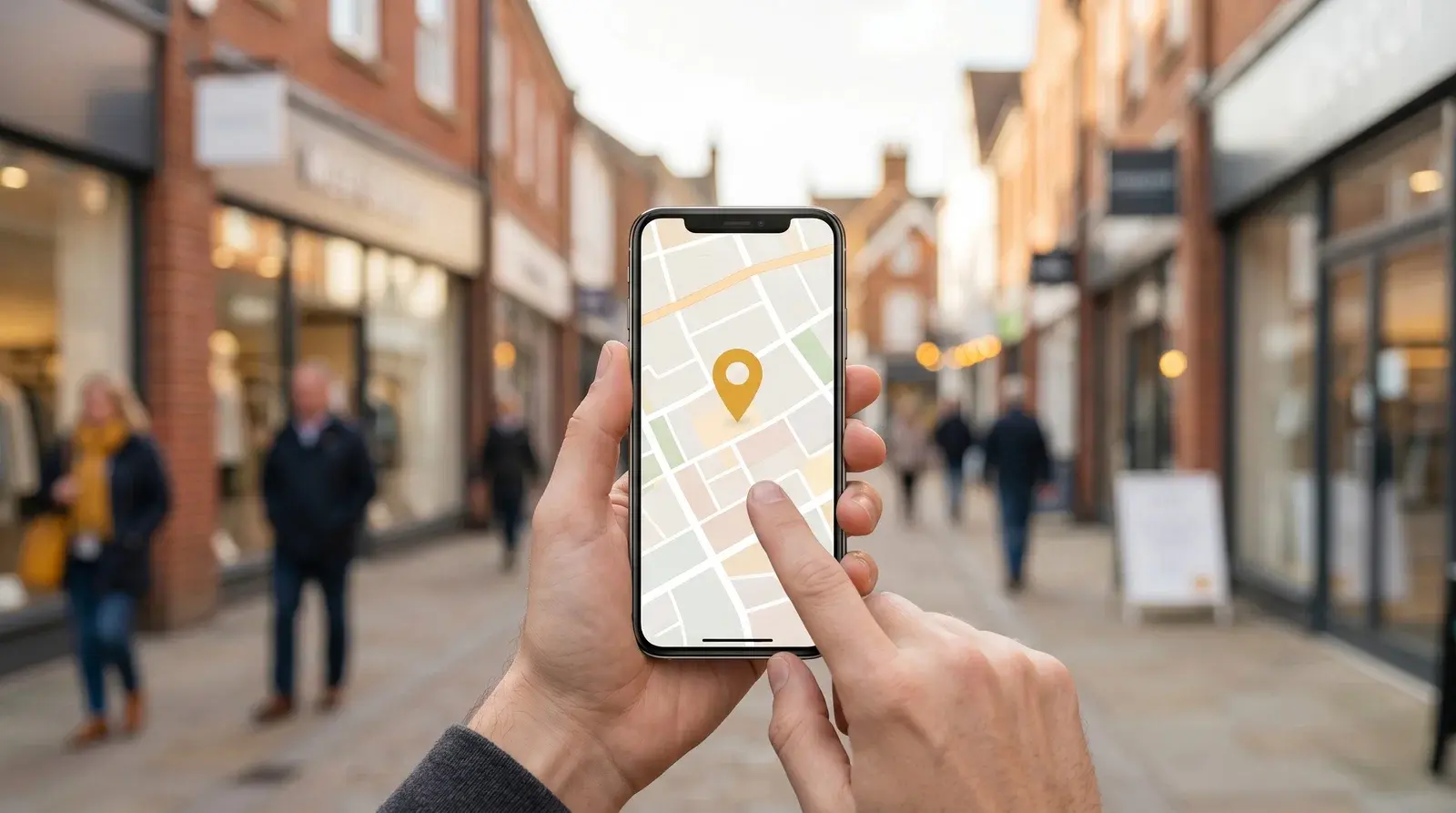
“When someone searches for accommodation in your city, your business should be the first thing they find, not your competitors.”- Roxie Andrew
To rank in the Google map pack, claim and fully optimise your Google Business Profile, keep your name, address and phone number identical everywhere, and earn steady reviews, all backed by a fast website with proper location pages. Most property operators see movement within two to three months, with stronger rankings building over six to twelve.
Why does local SEO matter for property businesses?
When someone types "serviced apartments in Manchester" or "HMO rooms near me" into Google, where does your business appear? If you're not on the first page, you're invisible to potential customers actively looking for what you offer.
Local SEO is how you get found by people searching in your area. Unlike paid ads, organic rankings work 24/7 and build over time - they're an asset, not an expense.
What does the local search landscape look like?
When someone searches for local services, Google shows three types of results:
- Paid Ads - Top of the page, marked as "Ad"
- Map Pack - The box with 3 local businesses and a map
- Organic Results - Traditional blue link listings
For property businesses, the Map Pack is gold. These listings get the most clicks for local searches and display your reviews, photos, and contact info prominently.
How do I set up Google Business Profile?

Your Google Business Profile (formerly Google My Business) is the foundation of local SEO. Here's how to optimise it:
Complete Every Section
- Business name: Use your real business name (no keyword stuffing)
- Category: Choose the most accurate primary category
- Address: Exact address where guests can visit
- Phone: Local phone number
- Website: Your direct website URL
- Hours: When you're available for enquiries
- Description: 750 characters about your business, including key services and locations
Add Photos Regularly
In our experience, listings with plenty of good photos attract noticeably more direction requests and website clicks. Add:
- Exterior photos (help people find you)
- Interior photos (showcase your properties)
- Team photos (build trust)
- Photos of amenities
Collect and Respond to Reviews
Reviews are a major ranking factor. To get more:
- Ask happy guests/tenants directly
- Send follow-up emails with review links
- Make it easy with QR codes in properties
- Respond to ALL reviews - positive and negative
Post Regular Updates
Google Business posts show in your listing and signal activity. Share:
- New property listings
- Special offers
- Local events and tips
- Business updates
What on-page SEO does your website need?
The good news is that the heavy lifting (location pages, clean title tags, schema and mobile speed) is something a well built site handles for you. With Brick by Plots & Leads, location pages and on-page SEO are built in, so you are not stitching it together by hand.
Location-Specific Pages
If you operate in multiple areas, create dedicated pages for each location:
- "Serviced Apartments in [City]"
- "HMO Rooms in [Area]"
- "Short-Term Lets [Neighbourhood]"
Each page should have unique content about that area, not just copied text with location names swapped. If you run rooms, our guide to the website features HMO operators actually need covers what to put on these pages.
Optimise Title Tags and Meta Descriptions
Your title tag appears in search results. Include:
- Primary keyword
- Location
- Your brand name
Example: "Luxury Serviced Apartments in Birmingham | [Your Brand]"
Use Schema Markup
Schema markup helps search engines understand your content. For property businesses, use:
- LocalBusiness schema
- LodgingBusiness schema (for accommodation)
- Review schema
- FAQ schema
Mobile Optimisation
Most local searches happen on mobile, so your site must:
- Load in under 3 seconds
- Be easy to navigate on small screens
- Have click-to-call phone numbers
- Display maps and directions clearly
Building Local Citations
Citations are mentions of your business name, address, and phone number (NAP) on other websites. They help Google verify your business is legitimate.
Key Citation Sources for Property
- Yell.com
- Thomson Local
- Bing Places
- Apple Maps
- Facebook Business
- Industry-specific directories
- Local business chambers
NAP Consistency
Your business name, address, and phone number must be identical everywhere. Even small differences ("Street" vs "St.") can confuse search engines. Audit your citations regularly.
Local Link Building
Links from other local websites boost your authority. Opportunities include:
- Local news features
- Chamber of commerce membership
- Sponsoring local events
- Guest posts on local blogs
- Partnerships with local businesses
- Local charity involvement
How does content marketing help local SEO?
Create content that answers local questions:
- "Best areas to stay in [City]"
- "Things to do near [Area]"
- "Guide to [City] for business travellers"
- "Weekend in [City]: A local's guide"
This content attracts visitors, earns links, and establishes you as a local authority. For a fuller plan, see our guide to content marketing for property businesses.
How do you track your progress?
Key Metrics to Monitor
- Google Business Insights: Views, clicks, calls, direction requests
- Search Console: Keyword rankings, click-through rates
- Analytics: Organic traffic, conversions from local searches
- Ranking trackers: Your position for target keywords
What Good Looks Like
- Appearing in Map Pack for main keywords
- Month-over-month growth in organic traffic
- Increasing enquiries from "found you on Google"
- Steady stream of new reviews
What are the most common local SEO mistakes?
- Ignoring Google Business Profile - It's free and powerful
- Inconsistent NAP - Confuses search engines
- No reviews strategy - Reviews won't happen on their own
- Generic content - No local relevance
- Neglecting mobile - Most local searches are mobile
- Set and forget - SEO requires ongoing effort
Getting Started: Your First Month
Week 1: Claim and fully optimise Google Business Profile
Week 2: Audit and fix NAP consistency across existing citations
Week 3: Add location pages to your website (if applicable)
Week 4: Implement a review collection process
Conclusion
Local SEO isn't a quick fix - it's a long-term strategy that compounds over time. But the businesses that invest in it now will dominate local search results for years to come.
Start with Google Business Profile, ensure NAP consistency, and gradually build your local authority. Every month of effort makes it harder for competitors to catch up.
Frequently Asked Questions
How do I rank in the Google map pack?
Claim and fully complete your Google Business Profile, keep your name, address and phone number consistent everywhere, choose the right primary category, add real photos and earn genuine reviews. Proximity to the searcher and relevance to their query both matter, so a well optimised website backing up your profile helps a lot.
How long does local SEO take?
In our experience most property operators start seeing movement in the map pack within two to three months, with stronger, more durable rankings building over six to twelve months. It compounds, so the earlier you start the harder it is for competitors to catch up.
Do I need separate pages for each area I operate in?
Yes, if you serve more than one location. A dedicated page for each town or city, with genuinely unique content about that area, helps you rank for searches in each place rather than spreading one page thin across them all.
Are reviews really a ranking factor?
Reviews influence both your visibility in the map pack and whether someone clicks through. Ask happy guests and tenants directly, make it easy with a review link or QR code, and respond to every review, positive or negative.
Want a property website that is built to rank?
Brick by Plots & Leads gives you location pages, on-page SEO and UK compliance baked in, so the technical groundwork for local search is handled from day one. Most operators are live in around five minutes.